
Six layers. Different jobs.
One kitchen tap.
Water doesn’t contain just one kind of unwanted material. Sediment behaves differently from chlorine. Heavy metals behave differently from bacteria. Scale is another problem entirely.

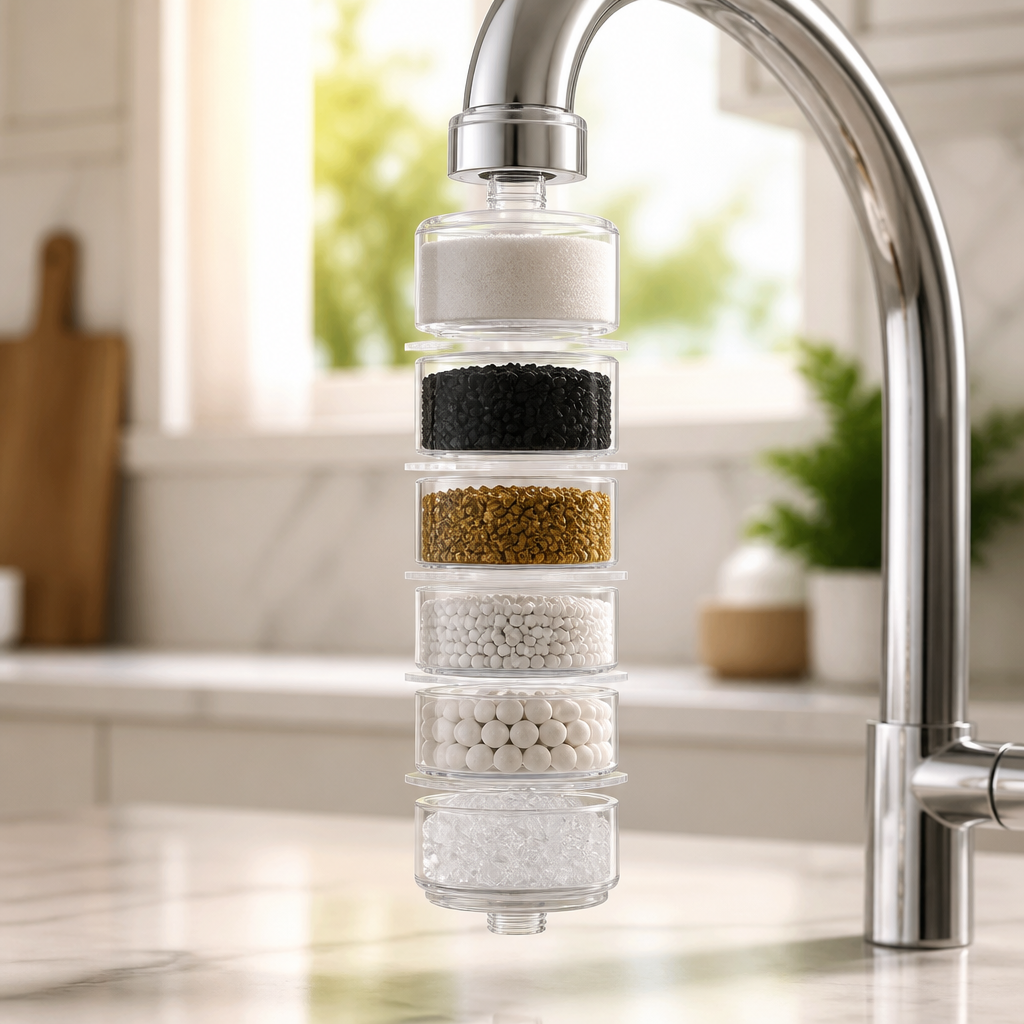
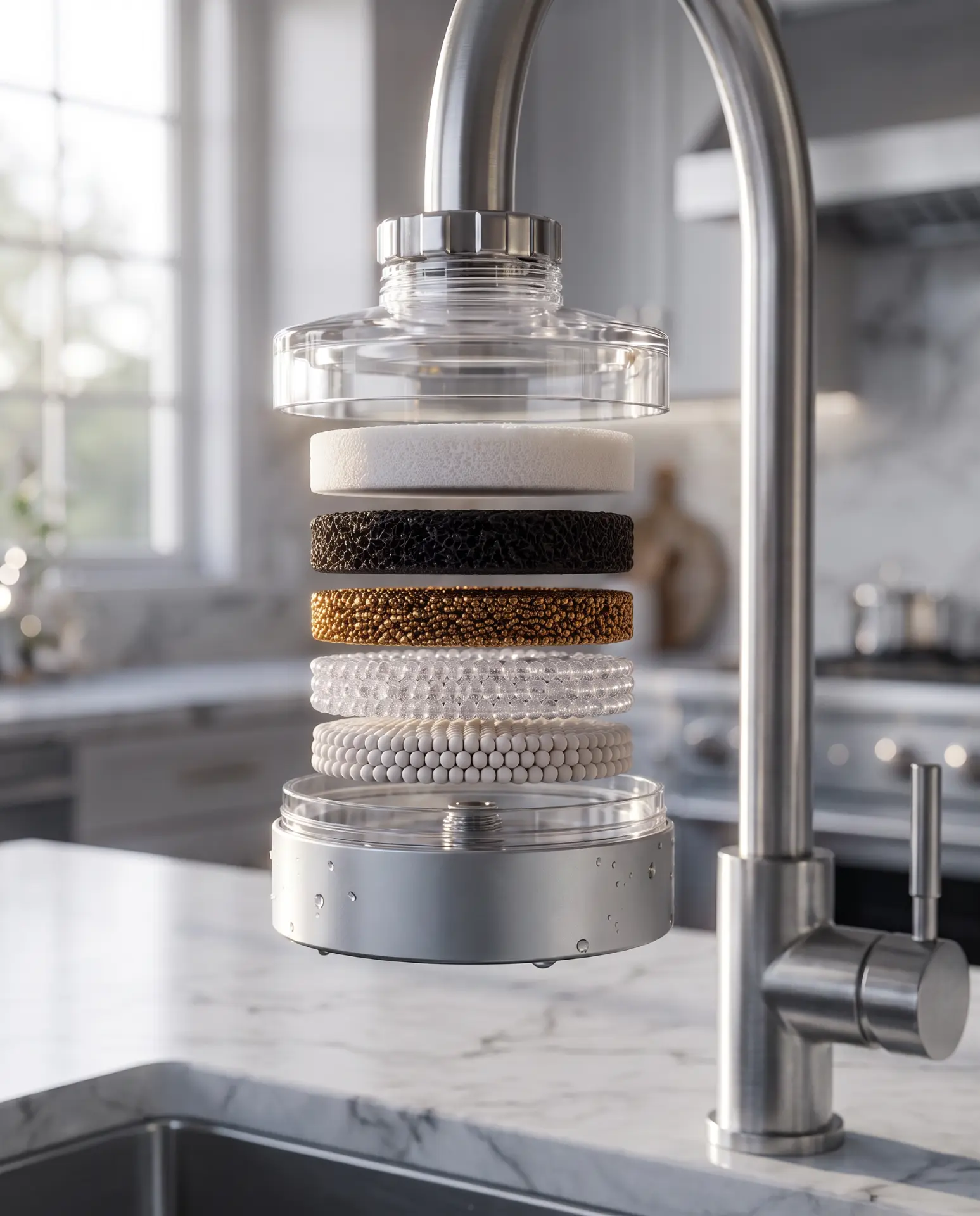
That is why Kitchen by Verra does not ask one filter medium to do everything. Membrix™ brings six specialized conditioning layers together in one compact system each designed to perform a dedicated job before water reaches the food and kitchenware your family uses every day.
The inside journey.
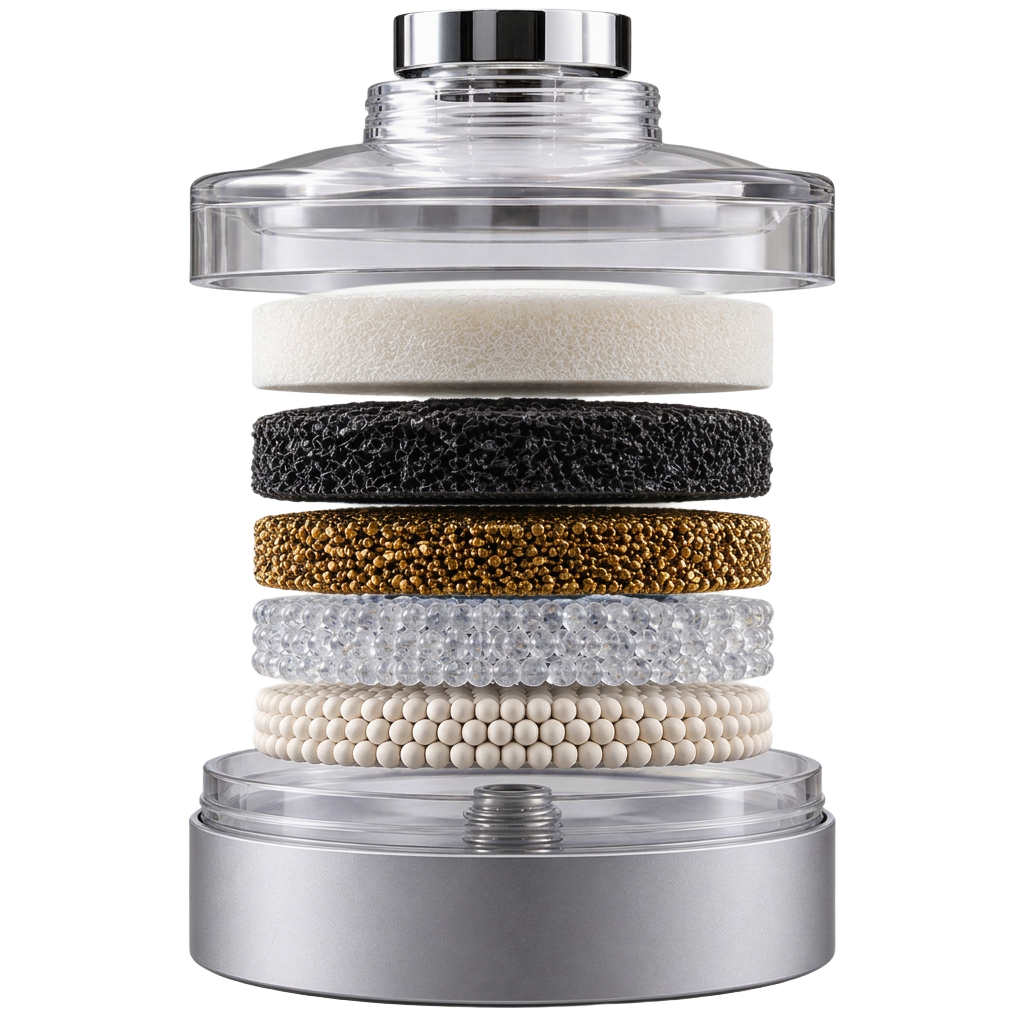
- 01PP Spun FilterPhysical barrier (sediment)
- 02Activated CarbonAdsorption (chlorine, taste, odour)
- 03KDF®-55Redox chemistry (heavy metals)
- 04Calcium SulfiteChemical conditioning (chloramines)
- 05Antibacterial MediaMicrobial control (bacteria)
- 06PolyphosphateScale conditioning (hardness)
How Membrix™ works: Layer by layer.
01 PP Spun Filter
Water passes through tightly packed polypropylene fibers that physically trap larger suspended particles before they travel deeper into the system.
Primary Targets: Sediment, Rust, Sand, Suspended particles
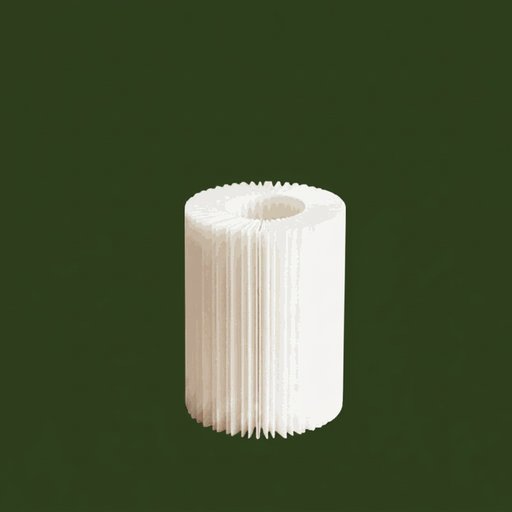
02 Activated Carbon
Activated carbon contains an extensive network of microscopic pores. As water flows across this surface, compounds responsible for unwanted taste, smell, and color are captured via adsorption. Chlorine is also reduced through surface reactions.
Primary Targets: Chlorine, Unwanted taste, Odour, Organic color
Testing Note: The activated-carbon component has been evaluated against NSF/ANSI 42 material-extraction requirements. The supporting NSF report applies strictly to the tested component and does not constitute certification of the complete Kitchen by Verra finished product.
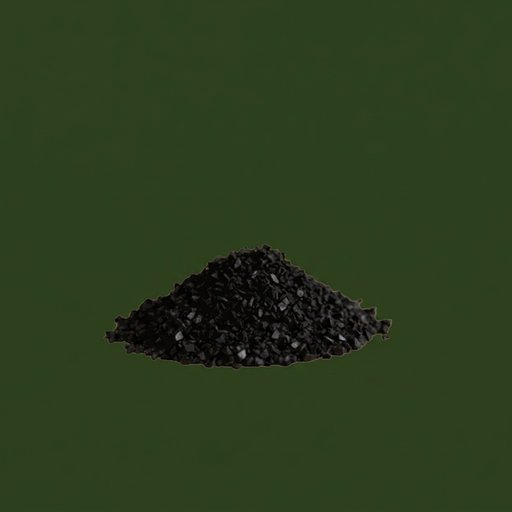
03 KDF®-55
KDF®-55 is a high-purity copper-zinc alloy. When water passes through, an oxidation-reduction reaction chemically transforms specific contaminants.
Primary Targets: Free chlorine, Selected heavy metals
Testing Note: In manufacturer performance data, KDF®-55 media demonstrated >99% removal of free chlorine under specified operating conditions. This is a performance claim for the raw KDF medium, not the finished Verra cartridge.
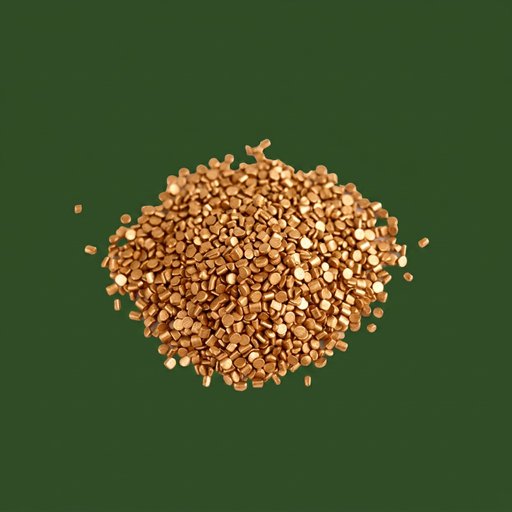
04 Calcium Sulfite
Calcium sulfite reacts rapidly with residual chlorine and chloramine compounds, adding a distinct mode of chemical treatment rather than relying solely on carbon or KDF.
Primary Targets: Chlorine & chloramines, Scale management
Testing Note: The raw material supplied for this layer has undergone SGS testing for restricted substances, leachable lead, and cadmium. Exact finished-cartridge reduction rates will be published following complete system testing.
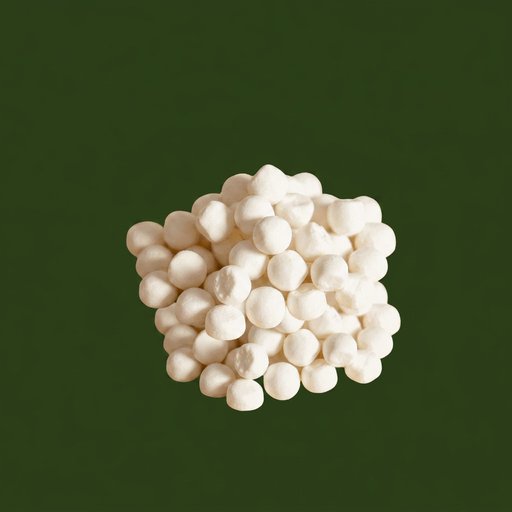
05 Antibacterial Media
A targeted stage containing specialized media engineered to control bacterial growth within the system.
Primary Targets: Bacterial control
Testing Note: The antibacterial media was independently tested by the Guangzhou Institute of Microbiology using ASTM E2149-2020, demonstrating >99% reduction of Staphylococcus aureus after 24 hours under laboratory conditions. Complete-cartridge bacterial performance will be published separately once finished-system validation is complete.
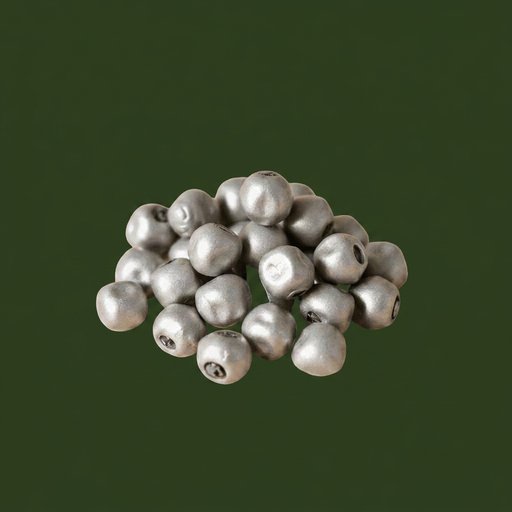
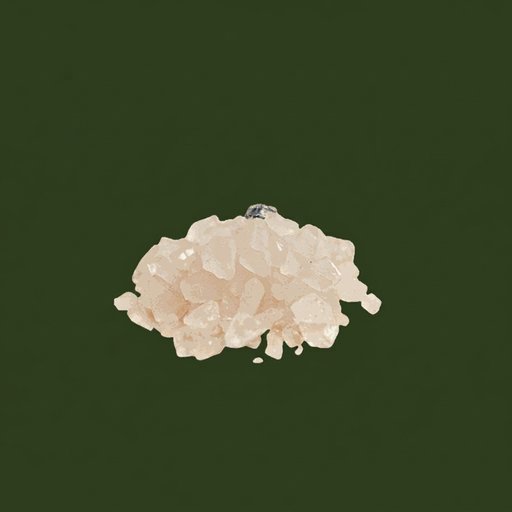
06 Polyphosphate
The final stage uses food-grade sodium polyphosphate. Rather than physically stripping away minerals, polyphosphate interferes with the crystallizing process of calcium and magnesium to prevent hard scale deposits.
Primary Targets: Scale control, Hardness conditioning
Testing Note: Supplied material is identified as food-grade sodium polyphosphate intended for drinking-water treatment.
Why six layers?
Different water quality issues require different scientific mechanisms:
- Physical particles require a physical barrier.
- Chlorine requires adsorption and redox chemistry.
- Heavy metals require target-specific chemical reactions.
- Bacteria require dedicated antimicrobial agents.
- Scale requires mineral sequestration, not simple straining.
Membrix™ coordinates these six distinct processes into a single streamlined cartridge.
Performance Summary.
| What May Be in the Water | Membrix™ Response | Primary Mechanism |
|---|---|---|
| Sediment, Rust, Sand | Physical Filtration | Polypropylene Mechanical Barrier |
| Chlorine, Odour, Taste | Adsorption + Redox | Activated Carbon & KDF®-55 |
| Selected Heavy Metals | Redox Reduction | KDF®-55 Copper-Zinc Alloy |
| Chloramines | Rapid Chemical Reaction | Calcium Sulfite |
| Bacteria | Targeted Microbial Control | Antibacterial Media |
| Scale-Forming Minerals | Sequestration | Food-Grade Polyphosphate |
Sediment, Rust, Sand
Chlorine, Odour, Taste
Selected Heavy Metals
Chloramines
Bacteria
Scale-Forming Minerals
Prof. Rohit Karnik
Abdul Latif Jameel Professor of Water & Food and Professor of Mechanical Engineering, MIT; Director, J-WAFS; Co-founder of Verra.
Prof. Karnik’s role at Verra is separate from his role at MIT.
At Verra, Prof. Karnik helps shape the scientific and technical thinking behind the company’s water-conditioning platform.

Our approach to evidence.
We would rather show you verified data than ask you to rely on a generic badge. Every material in Membrix™ has a distinct role, specification, and paper trail. Where Verra publishes a performance figure, it is tied directly to the exact test, material, or finished-product result behind it.
Transparent Boundaries: What Membrix™ Does Not Do
We believe clarity builds trust.
- No Black-Box Claims: We state exactly what media is used and how it behaves.
- Not Reverse Osmosis (RO): Membrix™ does not require electricity, does not create wastewater, and is not designed to strip every dissolved element from your water.
- Targeted Tap Filtration: Instead of stripping water bare, Membrix™ systematically addresses common municipal tap contaminants at the point of use.
Science at Work.
Simplicity at Home.
The chemistry inside is detailed using it is effortless.
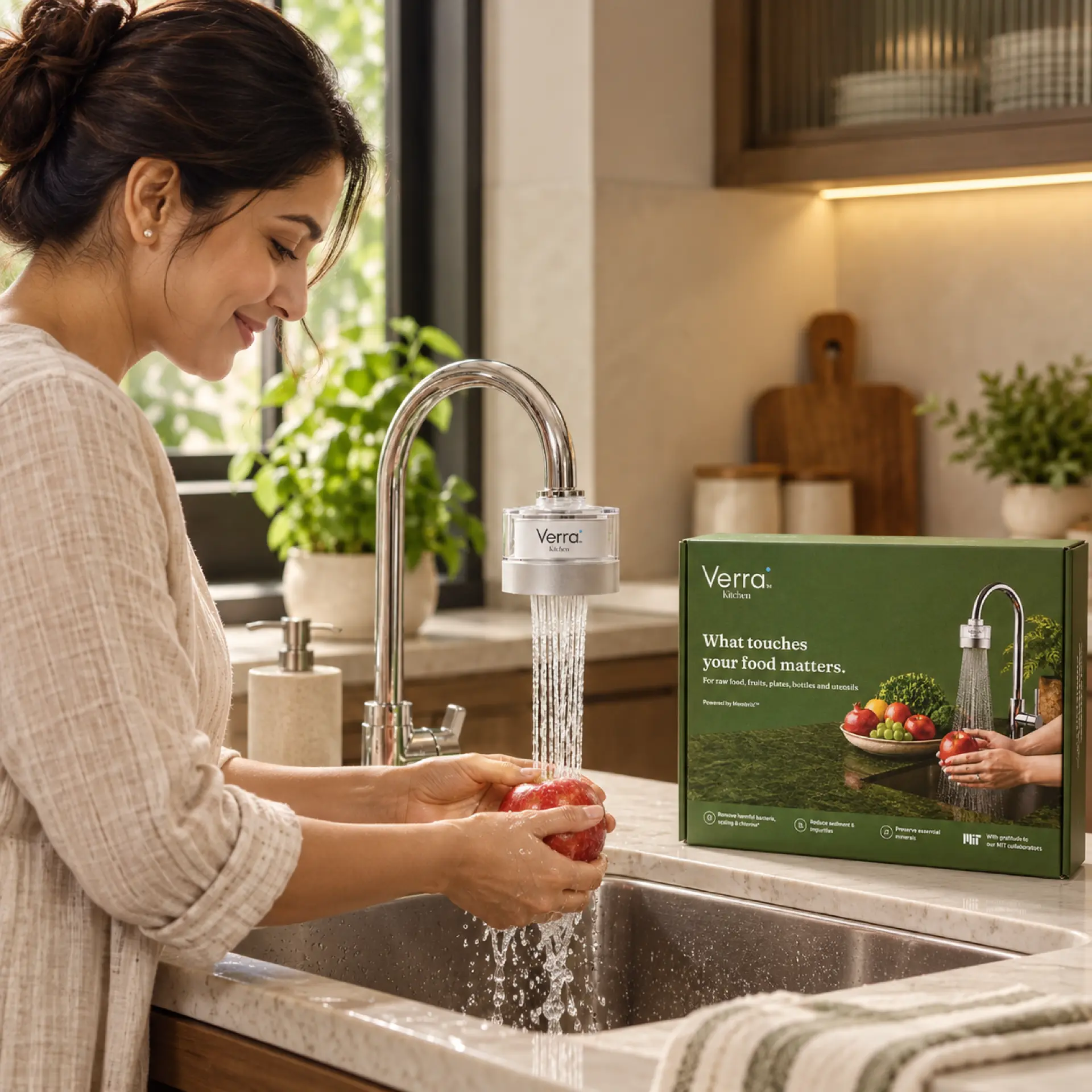
Wash fresh herbs before cooking.

Rinse fruit for a quick snack.

Fill a water bottle for the day.
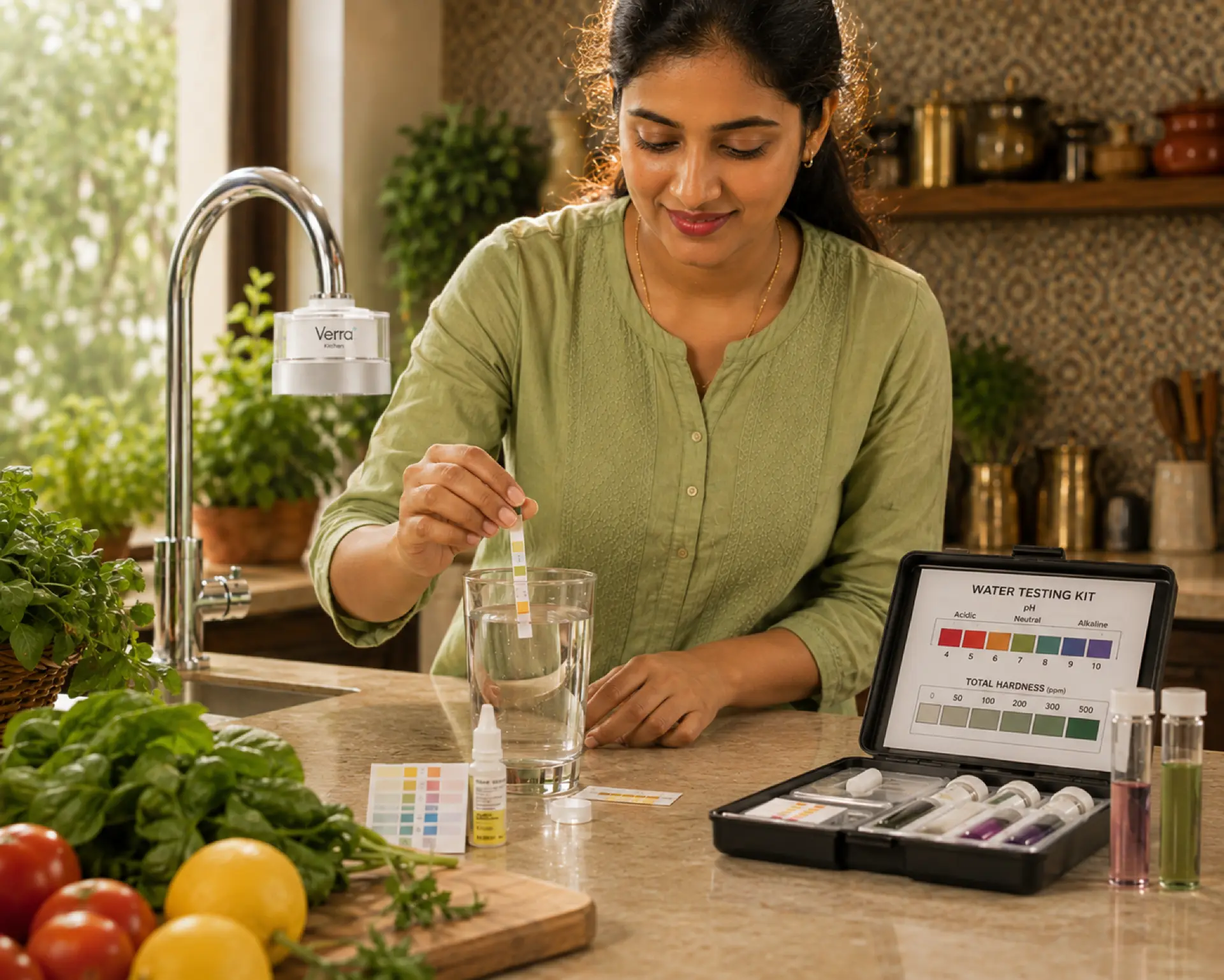
Clean baby bottles at the sink.
Kitchen by Verra mounts directly to your tap and goes to work before water hits your food, your hands, or your home.
Six layers inside.
One less thing to think about outside.